Save Heroes Home

Category

Emergency Preparedness

16 articles

When 911 Says Wait: How to Make Life-or-Death Decisions in the Gap Between a Call and a Crew

Emergency dispatchers are trained professionals, but the instructions they provide over the phone do not always account for the rapidly changing conditions in front of you. Understanding when to follow dispatch guidance—and when your direct observation of a victim must override it—is one of the most critical and least-discussed skills in bystander emergency response. This article gives you a framework for navigating that tension before help arrives.

Defibrillators at Work: How to Make the Case for an AED in Your Office Before a Cardiac Emergency Strikes

Most American workers spend more waking hours at the office than anywhere else, yet the majority of workplaces remain unprepared for sudden cardiac arrest. Understanding the gap between existing safety regulations and genuine cardiac readiness — and knowing how to close it — could mean the difference between a colleague's survival and a preventable tragedy. This guide equips employees with the knowledge and tools to champion AED installation in their own workplace.

Wired to Hesitate: Understanding the Freeze Response in Emergencies and How to Overcome It

Wired to Hesitate: Understanding the Freeze Response in Emergencies and How to Overcome It

When a crisis unfolds in front of you, your brain may work against your best intentions—triggering a freeze response that delays action at the worst possible moment. Understanding the neuroscience behind this instinct, and practicing targeted mental rehearsal techniques, can mean the difference between paralysis and life-saving intervention. This article examines why even well-meaning, trained individuals hesitate and what you can do today to reprogram that response.

When One Wound Is Not the Only Wound: Strategic Bleeding Control for Community Responders in Multi-Casualty Events

When One Wound Is Not the Only Wound: Strategic Bleeding Control for Community Responders in Multi-Casualty Events

Basic first aid training prepares most Americans to address a single bleeding injury—but mass casualty events demand a fundamentally different mindset. This guide equips everyday rescuers with the decision-making frameworks, resource management skills, and psychological tools needed to act strategically when multiple lives hang in the balance and professional help has not yet arrived.

After the Call: How to Be a Lifesaver in the Minutes Before the Ambulance Arrives

After the Call: How to Be a Lifesaver in the Minutes Before the Ambulance Arrives

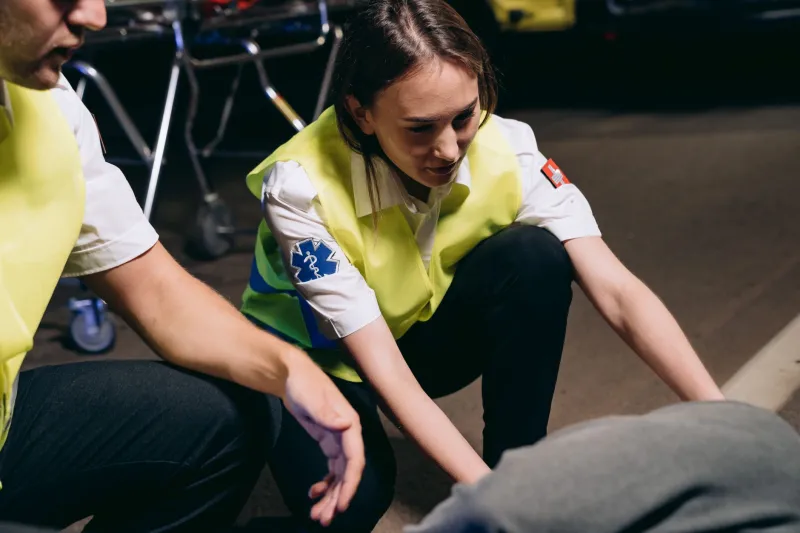
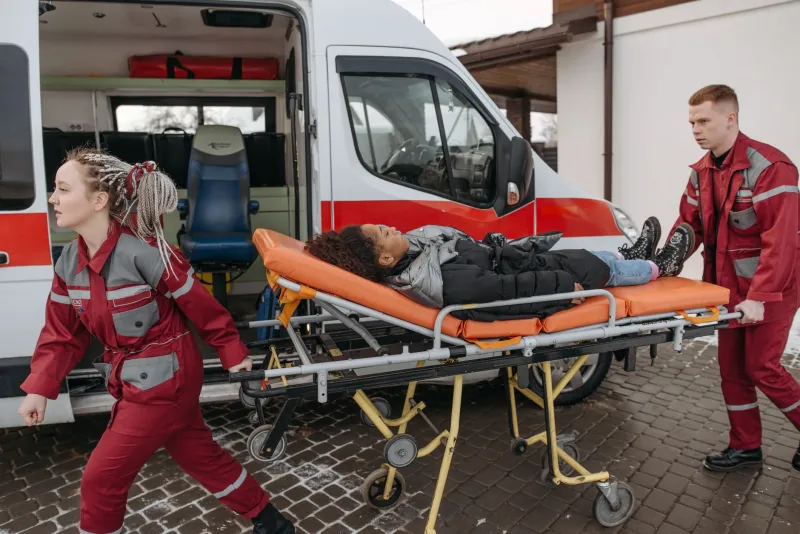
Dialing 911 is a critical first step, but the minutes that follow can determine whether a person lives or dies. Knowing how to act purposefully—rather than standing by helplessly—during the wait for emergency services transforms an ordinary bystander into a genuine first responder. This guide equips everyday Americans with the mindset and practical tools to make those precious minutes count.

Fit and Falling: Why Athletes and Active Adults Face the Greatest Risk from Heat-Related Emergencies

Fit and Falling: Why Athletes and Active Adults Face the Greatest Risk from Heat-Related Emergencies

A strong physique and high fitness level do not guarantee protection from heat-related emergencies—in fact, they may create a dangerous false sense of security. Heat exhaustion and heat stroke can strike young, healthy individuals with little warning, and bystanders at gyms, parks, and sports fields are often the last line of defense. Understanding why active people are uniquely vulnerable could mean the difference between a full recovery and a life-altering tragedy.

Glucose, Crisis, and You: Recognizing a Diabetic Emergency and Acting Fast Before Help Arrives

Glucose, Crisis, and You: Recognizing a Diabetic Emergency and Acting Fast Before Help Arrives

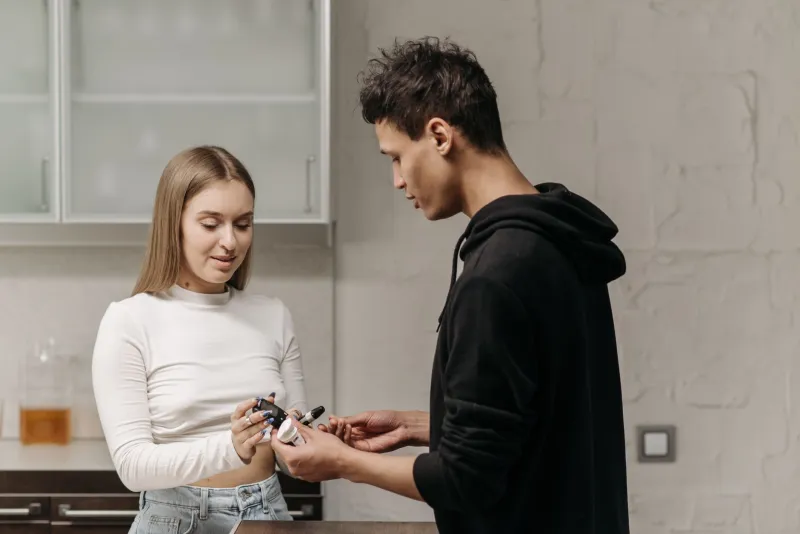
Diabetic emergencies can strike without warning in grocery stores, workplaces, and parks—and bystanders are often the first line of defense. Learning to distinguish between low and high blood sugar crises, and knowing exactly what to do in those critical minutes, can mean the difference between a full recovery and a life-threatening outcome. This guide equips everyday Americans with the recognition skills and immediate action steps needed to bridge the gap before EMS arrives.

Bleeding Control Basics Every American Should Know: How to Stop Severe Hemorrhage Before Help Arrives

Bleeding Control Basics Every American Should Know: How to Stop Severe Hemorrhage Before Help Arrives

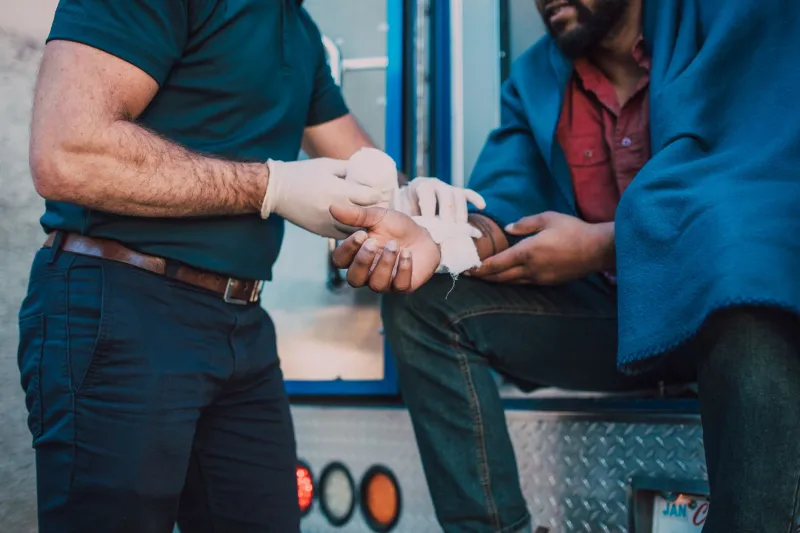
Uncontrolled bleeding is one of the leading causes of preventable death in traumatic emergencies across the United States. Whether the crisis unfolds at a construction site, on a highway, or in a neighborhood park, the actions taken in the first few minutes can determine whether a person survives. This guide equips everyday heroes with the knowledge and confidence to intervene decisively when every second matters.

When Allergies Turn Deadly: A Bystander's Complete Guide to Spotting and Stopping Anaphylaxis

When Allergies Turn Deadly: A Bystander's Complete Guide to Spotting and Stopping Anaphylaxis

Anaphylaxis can escalate from mild discomfort to a life-threatening emergency within minutes, leaving bystanders feeling helpless and unprepared. Understanding the warning signs and knowing how to use an epinephrine auto-injector could mean the difference between life and death. This guide equips everyday Americans with the knowledge to act decisively when a severe allergic reaction strikes.

The Silent Danger Lurking in Your Home: What Every American Family Must Know About Carbon Monoxide Poisoning

The Silent Danger Lurking in Your Home: What Every American Family Must Know About Carbon Monoxide Poisoning

Carbon monoxide is an odorless, colorless gas produced by common household appliances—and it can incapacitate or kill before its victims realize anything is wrong. Each year, more than 400 Americans die from unintentional CO poisoning, yet the threat remains one of the most underestimated household emergencies in the country. This guide walks families through the risks, the warning signs, and the precise steps to take when this invisible danger strikes.

The Hidden Emergency: Building Emotional Resilience and Psychological First Aid for Your Family Before Disaster Strikes

The Hidden Emergency: Building Emotional Resilience and Psychological First Aid for Your Family Before Disaster Strikes

When a disaster unfolds—whether a hurricane, a house fire, or a mass casualty event in the community—physical safety is only part of the challenge. Psychological shock, acute stress reactions, and emotional overwhelm can impair judgment, fracture family cohesion, and undermine survival efforts at the worst possible moment. This article explores how everyday heroes can prepare themselves and their loved ones to navigate the emotional landscape of crisis, with practical tools that bridge the gap b

Summer-Ready Parents: Intermediate First Aid Skills to Master Before the Season Begins

Summer-Ready Parents: Intermediate First Aid Skills to Master Before the Season Begins

Summer brings longer days, outdoor adventures, and — for parents — a new set of safety risks that basic first aid training may not fully address. From managing severe bleeding at a campsite to distinguishing heat exhaustion from heat stroke on a sweltering afternoon, this guide covers the intermediate skills that can make a critical difference when professional help is far away. If you are a parent heading into a season of camps, road trips, and backyard gatherings, this is the preparation you c